
Since completing my PhD in 2020, I have been reflecting on the journey that has followed. What started as a transition into independent research has grown into an opportunity to lead and contribute to impactful work. Over the past few years, I have been able to secure and lead seven research projects as a Principal Investigator.
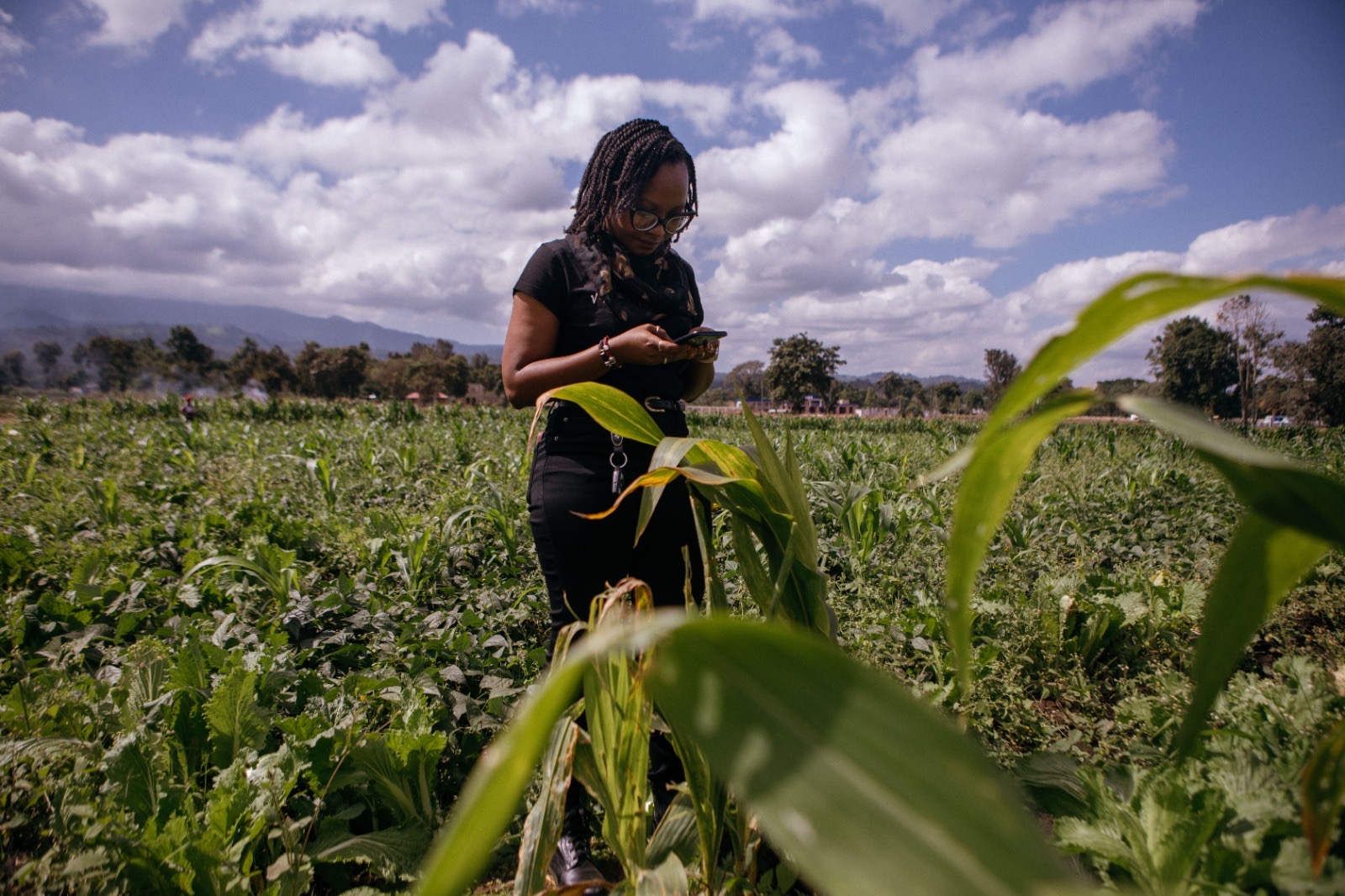
These projects span across AI, data science and agriculture, with a strong focus on solving real-world challenges:
-
Geo-AI and citizen science-powered soybean rust disease surveillance and forecasting funded by the International Institute of Tropical Agriculture (IITA) & The Alliance of Bioversity and CIAT ($339,901)
-
Scaling kilimoAI for Early Diagnosis of Maize and Common Bean Diseases in Northern Tanzania funded by Grow Further ($65,262.50)
-
Machine Learning Tools for Early Detection of Maize and Common Bean Diseases for Climate Change Adaptation in Tanzania funded by Grow Further ($63,135)
-
Deep Learning Tools for Early Detection of Diseases Affecting Common Bean and Irish Potato in the Southern Highlands Regions of Tanzania funded by Organization for Women in Science for the Developing World (OWSD) ($50,000)
-
Data Science Africa Research Assistant Program funded by Data Science Africa (DSA) ($15,000)
-
Deep Learning Techniques for Early Detection of Crop Diseases funded by Canada’s International Development Resource Centre (IDRC)/ The Swedish International Development Cooperation Agency (SIDA) through African Centre for Technology Studies (ACTS) ($63,000)
-
Lacuna Fund Project on Developing Machine Learning Datasets for Crop Diseases: Imagery and Spectrometry Data funded by the Rockefeller Foundation, Google.org and Canada’s International Development Resource Centre (IDRC) ($239,791.43)
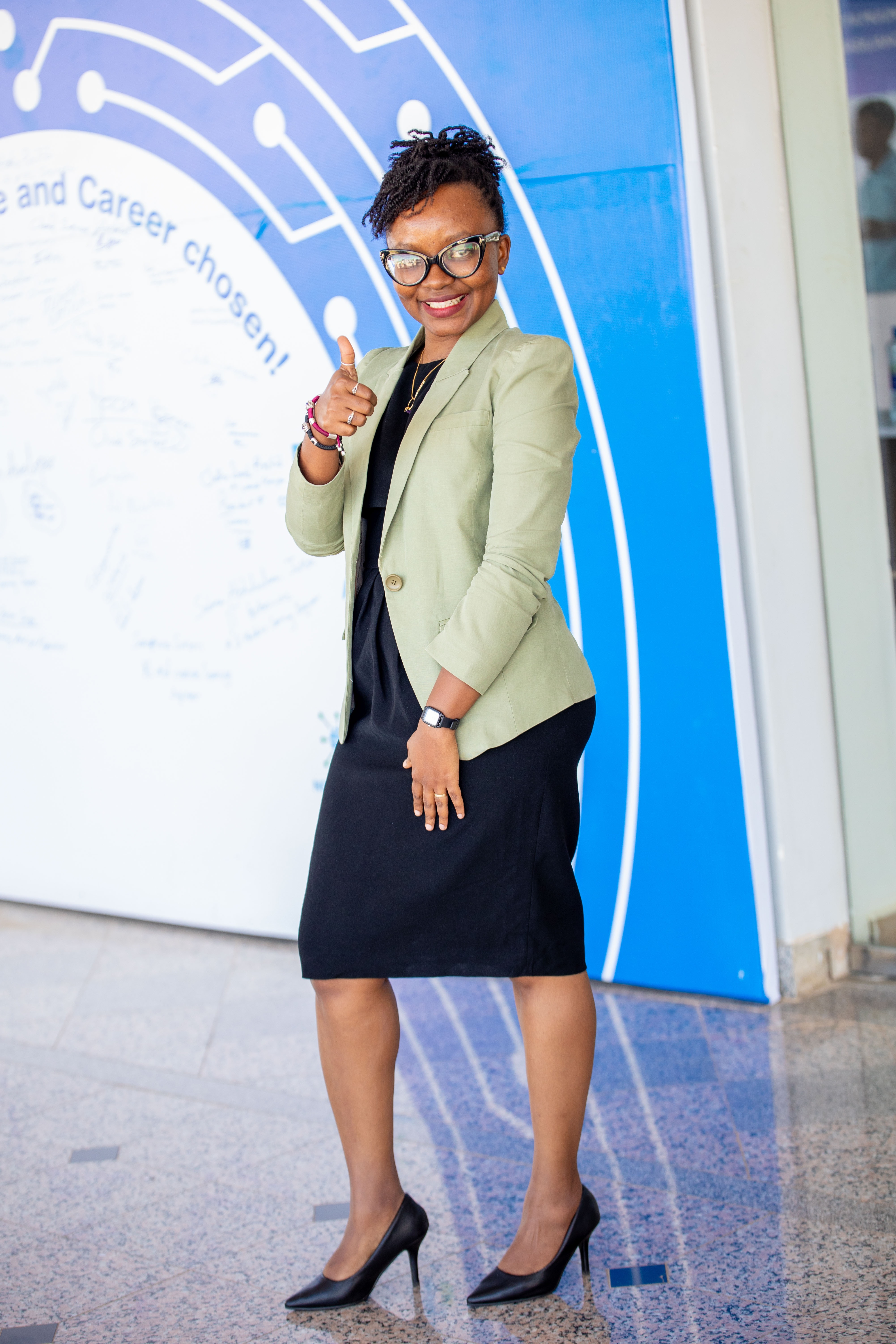
Each project has contributed to my growth, not just as a researcher, but as a leader. Moving into the role of Principal Investigator meant learning how to manage teams, build collaborations across institutions and align research with real community needs. It also required balancing technical depth with practical impact, ensuring that solutions go beyond theory and reach the people they are meant to serve.
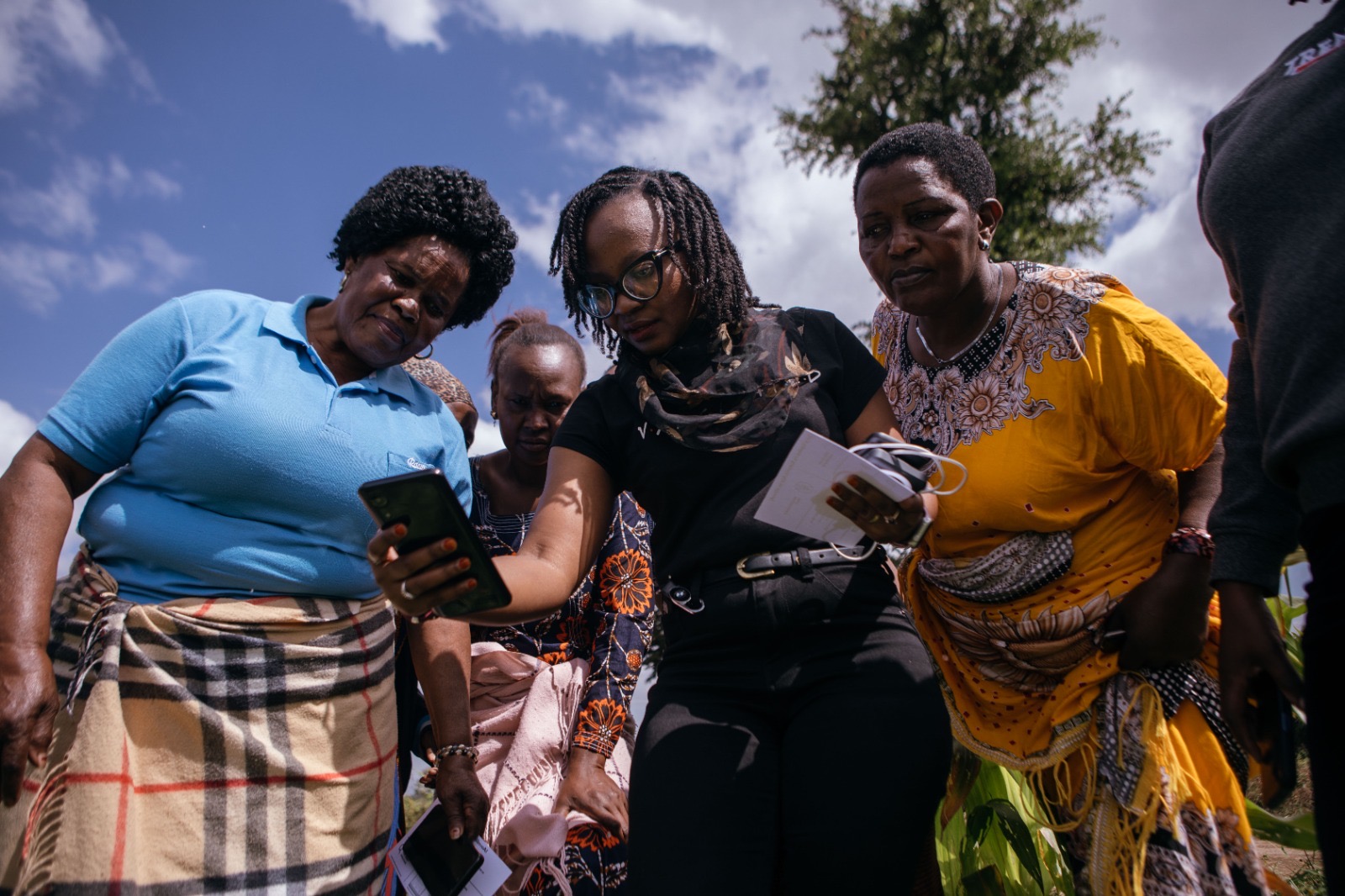
One of the most meaningful aspects of this journey has been working at the intersection of AI and agriculture. From developing early disease detection systems to building datasets and digital tools, the goal has always been: use technology to improve livelihoods, strengthen food security and support data-driven decision-making.
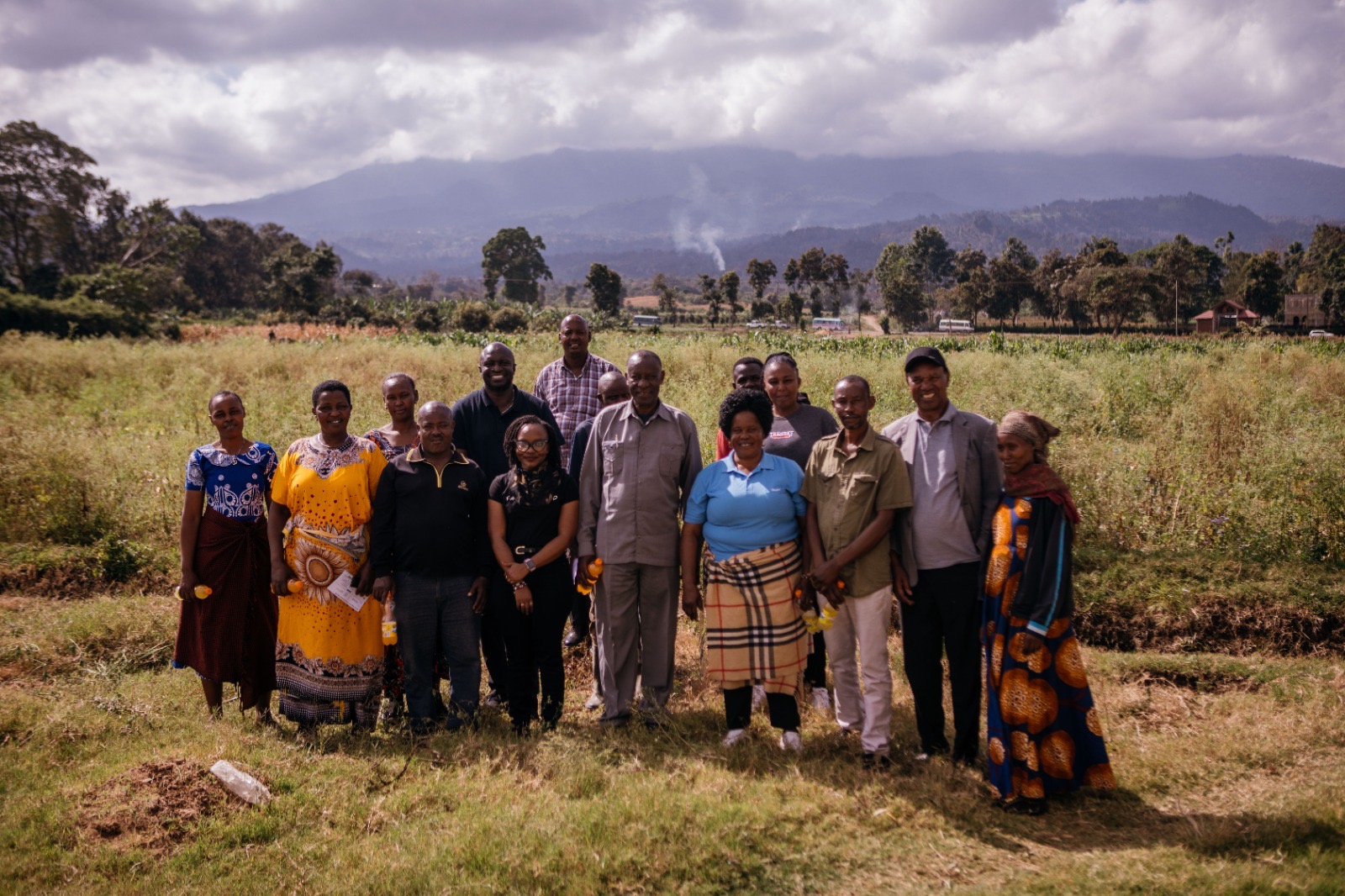
Looking back, this journey has been one of continuous learning, collaboration and growth. Looking ahead, I remain committed to advancing research that is not only innovative, but also inclusive, practical and impactful.